
It’s a question we hear all the time from patients preparing for a procedure: “Can I keep taking my Advil or Motrin before my surgery?”
The answer, almost without exception, is no. While your surgeon will give you a final, personalized directive, the standard medical advice is to stop taking ibuprofen and other non-steroidal anti-inflammatory drugs (NSAIDs) for a specific period before your operation. This isn't just a suggestion—it's a critical safety measure for a smooth procedure and a better recovery.
Why You Must Stop Taking Ibuprofen Before Surgery

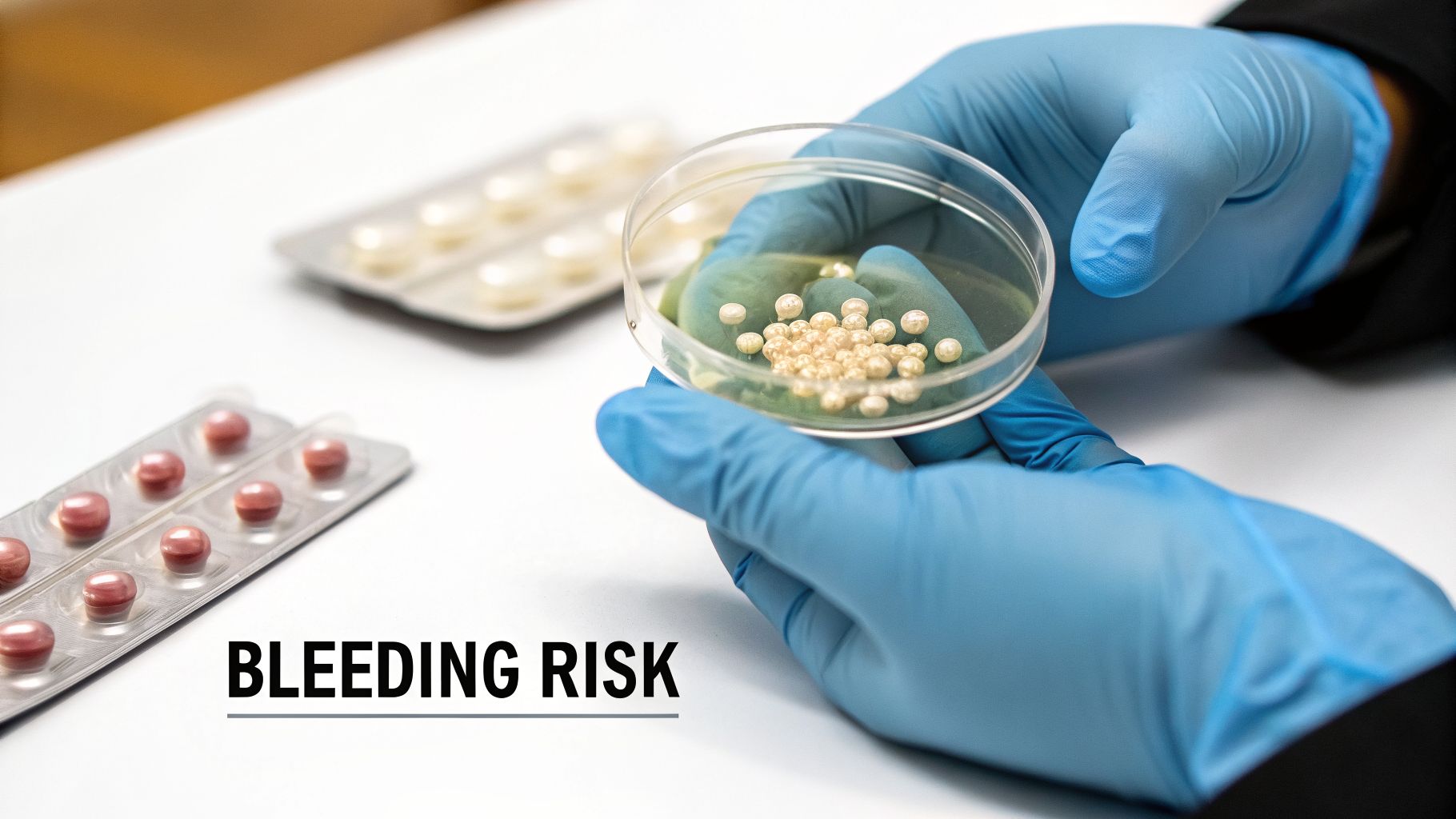
When your surgical team tells you to pause ibuprofen, it’s for one primary reason: bleeding risk. Though it's a fantastic drug for everyday aches and inflammation, ibuprofen has a major side effect that can create real problems in the operating room.
Think of your blood’s platelets as tiny, first-responder medics. Whenever you get a cut or injury, they race to the scene and stick together to form a plug—a clot—that stops the bleeding. It’s a brilliant natural process.
But ibuprofen throws a wrench in this system.
Ibuprofen essentially makes your platelets 'slippery,' preventing them from clumping together effectively. This temporary anti-clotting effect is known as platelet inhibition.
During and after surgery, this means your body can’t control bleeding as well as it should. For a surgeon, this makes for a more difficult procedure with increased blood loss. For you, it can lead to much more significant bruising after surgery and even raise the risk of a hematoma, which is a painful collection of blood that pools under the skin.
General Guidelines for Stopping NSAIDs Before Your Surgery
So, when do you need to stop? The exact timing depends on the specific drug you're taking and your surgeon’s own protocol, as different NSAIDs stay in your system for different amounts of time. A short-acting drug like ibuprofen is cleared from the body much faster than a long-acting one like naproxen.
This quick-reference table shows typical stop times for common NSAIDs. This is a general guide; always follow the specific instructions from your surgical team.
General Guidelines for Stopping NSAIDs Before Your Surgery
| NSAID Type | Common Brand Names | Typical Stop Time Before Surgery |
|---|---|---|
| Ibuprofen | Advil, Motrin | 3 to 7 days |
| Naproxen | Aleve, Naprosyn | 7 to 10 days |
| Aspirin | Bayer, Ecotrin | 7 to 10 days (or as advised) |
Remember, this is just a general overview to help you understand the "why." Your surgeon's instructions are the only ones that matter. They will provide you with a precise, non-negotiable timeline based on your health, the specific surgery you’re having (like a labiaplasty), and their surgical technique. Following their guidance is the best way to ensure your safety.
How Ibuprofen Impacts Your Body During an Operation
When your surgeon asks you to stop taking ibuprofen before an operation, it’s for a very good reason. To see why, we need to look at how this common pain reliever actually works. Ibuprofen belongs to a class of drugs called non-steroidal anti-inflammatory drugs, or NSAIDs, which are designed to shut down pain and inflammation.
It does this by blocking specific enzymes in your body known as cyclooxygenase (or COX) enzymes. These enzymes are responsible for producing chemicals called prostaglandins, which signal pain and cause swelling when you have an injury. By blocking those COX enzymes, ibuprofen effectively turns off the body’s pain-and-swelling alarm system.
That’s fantastic for a headache or a sprained ankle. But during surgery, it causes a big problem.
The Science of Bleeding Risk
It turns out those same COX enzymes also help produce another crucial substance: thromboxane. You can think of thromboxane as the "glue" for your blood platelets—the tiny cells that rush to the scene of an injury to form a clot and stop bleeding.
When you take ibuprofen, you aren't just blocking the prostaglandins that cause pain. You’re also blocking the thromboxane your platelets need to function properly. This makes your platelets less “sticky,” so they can’t clump together effectively to form a solid clot.
This creates a higher risk of bleeding, both during the procedure and in the hours and days that follow. For a surgeon, managing that excess bleeding can make the operation far more challenging and time-consuming.
The anti-platelet effect of a single standard dose of ibuprofen can last for about 24 hours. This is why we ask patients to stop taking it several days before surgery, giving the body plenty of time to create new, fully functional platelets.
For you, this increased bleeding can translate into a few unwelcome postoperative issues:
- More Bruising: Extra bleeding under the skin leads to darker, more widespread bruises that take longer to fade.
- Increased Swelling: As more blood and fluid collect in the surgical area, you’ll experience more significant and persistent swelling.
- Higher Hematoma Risk: A hematoma is a localized collection of blood under the skin. It can be painful and sometimes even requires a second procedure to drain it.
Why This Matters for Delicate Surgeries
This bleeding risk becomes especially critical in highly vascular and delicate procedures like a labiaplasty. The labial tissues have a rich blood supply, making meticulous bleeding control absolutely essential for a clean surgical field and an ideal cosmetic outcome.
Even minor, uncontrolled bleeding can obscure your surgeon’s view, compromising the precision needed for a beautiful result. By stopping ibuprofen before surgery, you’re taking a simple but vital step to ensure your procedure is as safe as possible and that your recovery is smooth and predictable. Your cooperation here directly contributes to the success of your final result.
The Surprising Upside of Timed Preoperative Ibuprofen
While we usually tell patients to stop all NSAIDs days before an operation, there's a fascinating exception that’s gaining ground in surgical practice. It turns out that a single, strategically timed dose of ibuprofen right before surgery might actually lead to a much smoother recovery. This isn't about throwing caution to the wind on bleeding risks; it's a calculated decision where the benefit of better pain control can sometimes outweigh the potential downsides.
This strategy is built on a concept called preemptive analgesia. Think of it like this: it’s far easier to put out a small campfire than it is to battle a raging forest fire. Taking ibuprofen before the first incision is like dousing that campfire. It stops pain signals at the source before your nervous system can ramp up and become hypersensitive.
Less Pain and Fewer Opioids
The main advantage here is a dramatic drop in postoperative pain. When pain is managed well from the very start, it has a positive ripple effect on your entire recovery. Patients who receive this preemptive dose often need far less of the heavy-duty opioid painkillers that are standard after surgery.
This is a huge deal. Using fewer opioids means you're less likely to deal with their miserable side effects—nausea, constipation, brain fog, and the risk of dependency. For anyone worried about the recovery process, this single step can make a world of difference in your comfort and overall experience.
A major meta-analysis confirmed that taking ibuprofen before surgery leads to significantly lower pain scores afterward and cuts down on the need for powerful opioids. The research, published in the Korean Journal of Anesthesiology, showed that this preemptive approach stops pain sensitization in its tracks, setting the stage for a much easier recovery.
This "preemptive strike" doesn't just make the first few hours more comfortable. It can also reduce overall inflammation, which often translates to less swelling in the following days. Less swelling and discomfort are key to healing well. If you're thinking about other ways to manage post-op issues, check out our guide on how to reduce bruising after surgery for more practical tips.
The Critical Conversation With Your Surgeon
So, should you pop an Advil on the way to the hospital? Absolutely not.
This is a specific medical decision that only your surgical team can make. Your surgeon and anesthesiologist have to weigh the promise of better pain control against the risk of bleeding, and their decision will depend on several key factors:
- The type of surgery you’re having (procedures with very little expected blood loss are better candidates).
- Your personal health history (any kidney problems or bleeding disorders are a major consideration).
- The specific surgical techniques they plan to use.
Knowing this information allows you to have a more productive conversation with your doctor. You can ask if a single preoperative dose of an NSAID is an option for you, showing that you're an informed and engaged partner in your own surgical care.
What This Means for Labiaplasty and Gynecological Surgery
The standard advice to stop ibuprofen before any surgery is especially critical for delicate procedures like labiaplasty. The labia are made of highly vascular tissue, which means they contain a rich, dense network of blood vessels. For your surgeon, controlling bleeding isn't just helpful—it’s absolutely essential for achieving the best possible cosmetic outcome.
When ibuprofen thins your blood by interfering with platelet function, even the tiniest amount of bleeding can become persistent. This creates a challenging environment for your surgeon, making it difficult to see the fine details needed for meticulous sculpting and suturing. A clear surgical field is key to a beautiful, precise result.
The Impact on Your Recovery and Results
Even minor, uncontrolled bleeding has a direct and significant impact on your healing. It can trigger a series of unwanted effects that compromise not only your comfort but also the final look of the surgical area.
These side effects include:
- Increased Swelling: Extra bleeding beneath the skin leads to more significant, prolonged swelling, which can be uncomfortable and cause you unnecessary worry.
- Worse Bruising: The more blood that seeps from the vessels, the darker and more widespread your bruising will be, lengthening the time it takes to fade.
- Hematoma Formation: This is a more serious risk. A hematoma is a firm, painful pocket of blood that pools under the skin. It can distort the surgical result and may even require a separate procedure to drain it.
Following your surgeon’s instructions to stop taking ibuprofen before surgery is one of the most important things you can do to ensure a smooth recovery. How well bleeding is managed from the very first incision influences your entire healing journey, from your initial comfort level to your final results. You can find a complete overview of what to expect after your procedure in our detailed guide to labiaplasty recovery.
By minimizing bleeding during the procedure, you not only make the surgery itself safer but also pave the way for a faster, more comfortable, and more predictable healing period with a better cosmetic outcome.
Lessons from Other Gynecological Surgeries
The principles of managing bleeding and pain are universal across many gynecological surgeries. Research into other procedures, like total laparoscopic hysterectomy, offers valuable lessons that also apply to labiaplasty.
For instance, one study found that women who received ibuprofen before their hysterectomy used significantly fewer opioids afterward and reported better pain control. Preemptive ibuprofen actually reduced the total opioid dose needed in the first 24 hours and made it more likely for patients to reach their pain goals by the time they were discharged. You can explore the findings on preemptive pain management in gynecological surgery for more detail.
This research reinforces that a well-planned pain management strategy, which may include carefully timed NSAID use under a surgeon's direct guidance, is a critical part of a better recovery after labiaplasty.
Of all the preoperative advice patients receive, the guidance around ibuprofen is often the most confusing. But beyond just managing postoperative pain, a strategically timed dose can have another, fascinating benefit: it can actually make your local anesthetic work better.
This is particularly important for procedures like labiaplasty, which are frequently performed with local anesthesia while you’re awake. A more effective anesthetic means a more comfortable and reassuring experience from start to finish.
How Inflammation Affects Local Anesthesia
Think of it this way: when your body’s tissues are inflamed, their chemical environment becomes more acidic. This acidic state is like a roadblock for local anesthetics, making it much harder for the numbing medication to penetrate nerve cells and do its job of blocking pain signals.
By taking a single dose of an NSAID like ibuprofen shortly before your procedure, you help reduce that inflammation. This, in turn, helps neutralize the acidic environment, essentially clearing the path for the anesthetic to reach its target and work effectively.
The result is a more profound and reliable numbing effect, which can be a huge source of relief and calm for anyone feeling anxious about the procedure.
A more effective anesthetic doesn't just improve comfort; it allows the surgeon to work more efficiently in a calm, controlled environment, which contributes to a better surgical experience for everyone involved.
What the Research Shows
The link between inflammation and anesthetic success isn't just a theory; it's well-documented in other fields, especially dentistry, where inflamed tissues are a common challenge. The findings there offer powerful insights for cosmetic surgery.
For example, a landmark study explored how taking ibuprofen before surgery could dramatically improve the success of local anesthesia in patients with inflamed tissues.
The 2013 research found that a single 600 mg dose of ibuprofen taken one hour before a nerve block procedure more than doubled the anesthesia success rate. It jumped from just 36% in the placebo group to a much more reliable 72% in the group that took ibuprofen. You can read the full research on how NSAIDs improve anesthesia to see the science for yourself.
This evidence reinforces that the conversation around ibuprofen before surgery is more nuanced than a simple "yes" or "no." While you must always follow your surgeon's specific instructions, in certain situations, it can be an invaluable tool for ensuring your comfort both during and after the procedure.
Your Pre-Surgery Communication Plan
Now that you understand the "why" behind stopping NSAIDs, you’re ready for the most important part: talking to your surgeon. While all this information gives you a great background, there’s only one rule that truly matters: you must follow your surgeon's specific advice.
Your doctor’s instructions are tailored to your health, your body, and the exact procedure you’re having. General guidelines are for education; your surgeon’s plan is for your safety.
A productive pre-op conversation starts with you. Walking into your appointment with a clear set of questions ensures you and your surgical team are on the same page. This is all about making sure there are no surprises when it comes to managing your pain and keeping risks low.
Questions to Ask Your Surgeon About Pain Management
Being an informed and engaged patient consistently leads to better, safer outcomes. The checklist below is designed to help you cover all the bases during your pre-operative consultation. Use it to make sure you leave with a clear, actionable pain management plan.
| Topic | Question for Your Surgeon/Anesthesiologist |
|---|---|
| NSAID Protocol | "What is your specific timeline for me to stop taking ibuprofen, Aleve, or any other NSAIDs?" |
| Preemptive Dose | "Based on my health and this specific surgery, could I be a candidate for a single, timed dose of an NSAID before the procedure to help with post-op pain?" |
| Pain Alternatives | "What are the primary pain relief options you recommend for me immediately after surgery and during my first week of recovery?" |
| Labiaplasty-Specific Pain | "For labiaplasty, what should I expect in terms of pain and swelling, and what’s the best way to manage it at home?" |
| Supplement Safety | "Are there any supplements, like Arnica, that you recommend or want me to avoid?" |
Having these answers ahead of time will give you peace of mind and help you prepare properly for your recovery.
The Anesthesia Connection
You might wonder why a surgeon would ever consider using an NSAID right before surgery if it increases bleeding risk. It often comes down to balancing risks and benefits, particularly when local anesthesia is involved.
This flowchart shows how a carefully timed dose of ibuprofen can actually make local anesthesia more effective.
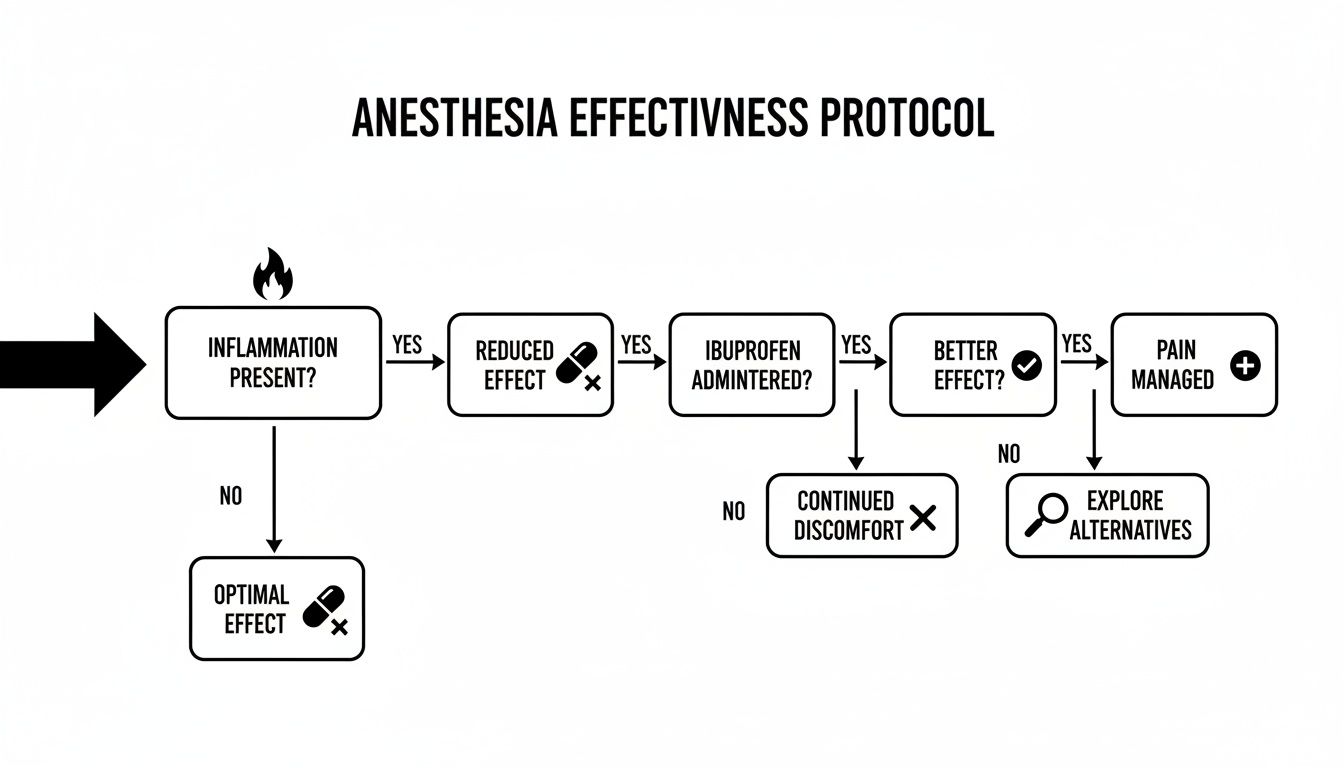
As you can see, the inflammation that naturally occurs with a surgical incision can make the tissue more acidic. This change can interfere with how well local numbing agents work. By giving a single, preemptive dose of ibuprofen, a surgeon can reduce that inflammation, leading to a better anesthetic block and a more comfortable experience for you.
Think of it this way: your job is to understand the concepts and ask smart questions. Your surgeon’s job is to weigh all the factors and make the final call for you. That partnership is the bedrock of a safe and successful outcome.
If you're exploring natural options, be sure to bring those up, too. Many patients are curious about supplements, and it's a conversation worth having. You can get a head start by reading our guide on taking arnica before surgery to see if it’s something you’d like to discuss further with your doctor.
Common Questions About Ibuprofen and Surgery
We get it—the rules around pre-op medications can feel confusing. To make things simple, here are straightforward answers to the most common questions we hear from patients about ibuprofen before surgery.
Can I Take a Single Ibuprofen for a Headache a Week Before My Procedure?
While it might seem harmless, the safest and only correct answer is no. Your surgeon will give you a firm cutoff date, usually somewhere between 3 to 7 days before your surgery. You need to respect that timeline without exception.
Taking even one dose inside that window can disrupt your blood’s natural ability to clot. Why introduce that kind of risk over a simple headache? It just isn’t worth it.
The anti-clotting effect from a single dose of ibuprofen hangs around for about 24 hours. Following your surgeon's timeline to the letter ensures the medication is completely out of your system, which is critical for a safe and predictable procedure.
What’s a Safe Alternative for Pain Before Surgery?
Acetaminophen, sold under the brand name Tylenol, is almost always the recommended alternative. It’s an excellent pain reliever that works on a different pathway from NSAIDs.
Most importantly, acetaminophen does not interfere with blood platelets or create a bleeding risk. This makes it a much safer choice in the days leading up to your operation. While you should always get the final okay from your surgeon, Tylenol is typically approved right up to the day of your procedure.
Are All NSAIDs the Same When It Comes to Bleeding Risk?
No, and this is a crucial point many patients miss. While all traditional NSAIDs pose a bleeding risk, they don't all behave the same way in your body. The key difference is how long they stick around.
- Ibuprofen (Advil, Motrin): This is a short-acting drug, so its effects on your platelets wear off fairly quickly.
- Naproxen (Aleve): This is a long-acting drug. It takes much longer for your body to clear it, which is why your surgeon might ask you to stop taking it up to 10 days before surgery.
This is exactly why you have to be completely transparent with your surgeon about every over-the-counter medication you take—not just the ones you think matter.
Ready to take the next step in your research? At Labiaplasty.com, we provide a comprehensive resource to help you feel confident and informed. Explore our extensive library of before-and-after galleries, recovery timelines, and find a qualified surgeon near you.
